
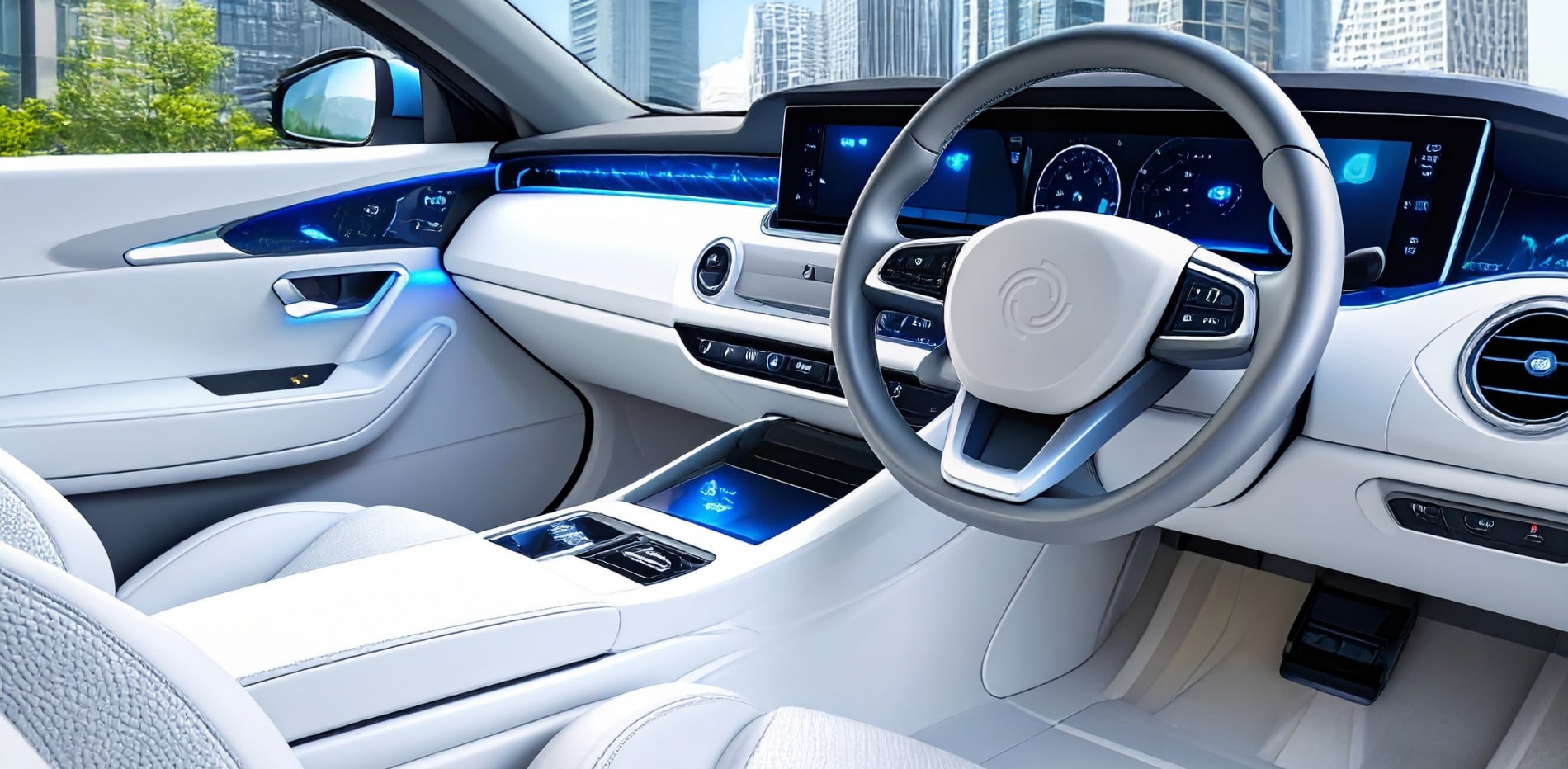
Automotive Interior Design: Requirements, Trends & Technologies
Automotive interior design has evolved into one of the most important arenas of innovation in mobility. The cabin is no longer just a functional shell around mechanical systems; it has become a space where brand values, user expectations, and advanced technologies intersect.
As electric and autonomous vehicles reshape how people interact with their cars, the interior must deliver comfort, safety, and intuitive interfaces while reflecting the personality of the brand. This article explores the emerging requirements, design directions, and Nissha technologies shaping the next generation of automotive interiors.
Why Automotive Interior Design Matters
Good interior design communicates a lot more than style. It carries the brand’s worldview, clarifies operation, supports safety, and shapes how occupants feel while inside the vehicle. The cabin is not merely a place to travel. It is a private environment where people work, rest, socialize, or focus on driving. With broader connectivity and the rise of EVs, the value of time spent in the cabin and the in-cabin experience has increased and so has the value of the in-cabin experience.
Typical interior zones include the overhead console, instrument cluster, instrument panel, door trims, steering wheel, and center console. These areas form the cabin’s functional map and together determine the vehicle’s personality and ergonomics. The design and detailing of these zones directly shape legibility, reachability, perceived space, and overall comfort.
Interior design also defines the vehicle’s concept. A driver-centric interior emphasizes visibility, tactile controls, and a focused cockpit that supports safe operation. A lounge-like interior, by contrast, prioritizes relaxation, social interaction, and flexible seating as autonomy advances. Each concept requires different technical and aesthetic choices.
Beyond aesthetics and concept, practical factors matter. For instance, placement of displays and switches influences glance behavior and manual reach; material selection affects thermal comfort and tactile satisfaction; and lighting and texture guide attention and reduce fatigue.
For Car brands and Tier-1 suppliers, design choices directly affect customer satisfaction, brand differentiation, regulatory compliance, and manufacturing complexity. In this way, automotive interior design becomes a business lever, not a cosmetic afterthought.
Emerging Requirements: What’s Next for Automotive Interior Design
Future competitive advantage will come from experience value: interiors that deliver comfort, convenience, and enjoyment in addition to safety and basic functionality.
As users spend more time in connected vehicles, expectations shift from purely functional to experiential. To meet these rising demands, the industry must embrace these emerging trends:
1.Brand-Defining New Texture Expressions
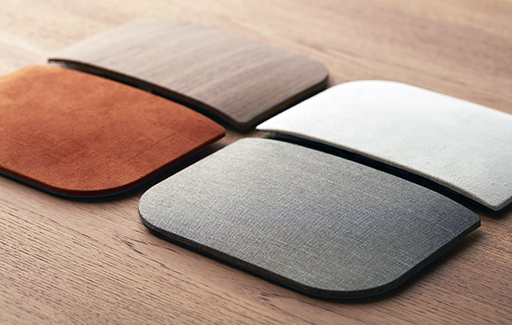
Texture and finish are tools for telling a brand story inside the cabin. Whether a vehicle aims to be luxurious, sporty, natural, or futuristic, surface choices set expectations about quality and experience.
Modern automotive interior design relies on a broader toolkit than traditional leather and paint. Designers may combine film decoration, molded-in color, and wrapped leather to produce cohesive, brand-authentic materiality. However, clear design principles can help guide designers in creating cohesive and brand-authentic interiors:
- Metallic finishes and glossy surfaces can signal technology and precision.
- Natural wood grains, soft-touch laminates, and woven textures emphasize warmth and human connection.
- Matte micro-grained surfaces offer a sense of sophistication and create a calm, refined atmosphere.
Each choice also carries functional trade-offs: gloss shows fingerprints, heavy textures can change tactile perception under different temperatures, and some finishes require protective treatments to maintain long-term appearance.
The good news is that advanced decoration techniques let designers replicate or reinterpret familiar materials while gaining performance advantages. For example, fine micro-grain patterns can recreate wood or fabric impressions with plastics that resist fading and are lighter. Gravure-printed films enable gradients and multi-layer effects that would be difficult or costly with traditional coatings.
When design and engineering teams align, texture becomes a reliable expression of the brand promise, delivering consistent touchpoints across trim levels and vehicle lines.
2.UX/HMI That Enhances Safety, Comfort, and Convenience

UX/HMI is where psychology, safety engineering, and industrial design converge. The cabin’s interface layer guides attention, supports operation, and shapes emotional response.
As vehicles incorporate more sensors, screens, and connectivity, designers must prioritize clarity, temporal control of information, and tactile confidence. Here are the top considerations:
Electronic Function Integration
Integrating touch panels, capacitive switches, and LEDs within decorative parts reduces visible seams and mechanical complexity. Well-executed integration supports on-demand information presentation. Meaning, displays and controls appear only when needed.
Consider Hidden-til-lit (Dead-Front), this technology keeps icons and text invisible until they are lit, creating a clean, streamlined look. When illuminated, the controls appear clearly, reducing distractions and lowering the chance of accidental operation. The result is a refined interior design that balances simplicity with functionality.
Input-Method Optimization: Minimizing Mechanical Inputs
While certain mechanical buttons and knobs remain essential, many secondary controls can migrate to touch or on-demand displays. This is great because replacing bulky mechanical assemblies with seamless touch surfaces offers multiple benefits. It lowers part count, simplifies assembly, reduces potential failure points, and can lower manufacturing costs.
However, designers must ensure that essential systems remain accessible in any situation. This often means providing backup physical controls or alternatives on the steering wheel or through voice commands. The real design challenge is to balance minimalism with tactile assurance, ensuring that essential actions remain reliable under stress, such as sudden vehicle maneuvers or gloved-hand operation.
Display-Surface Expansion with Panoramic Display
Panoramic displays reduce visual fragmentation and support consistent information flow. A continuous visual plane reduces the number of primary glance targets and helps drivers process information with fewer eye movements.
Emerging trends favor logical content zones, such as critical driving data in the instrument cluster, navigation and driver assistance cues in the central field, and comfort or entertainment items in secondary positions, so that attention flows intuitively.
3.Smudge-Resistant Design to Maintain a Clean Cabin
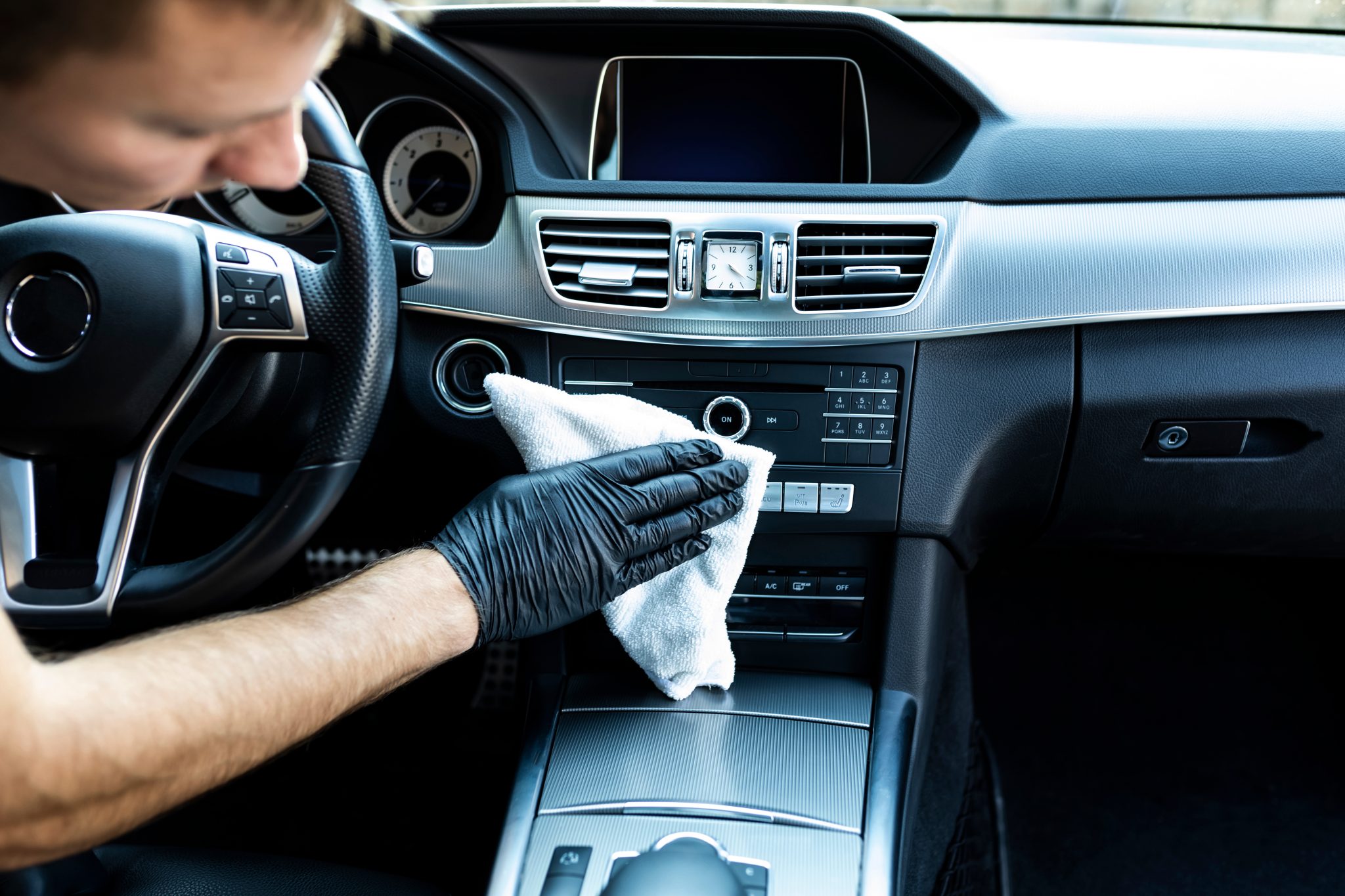
From touch displays to armrests and door switches, the most frequently handled surfaces inside a vehicle quickly reveal the impact of daily interaction. Without protective design, these surfaces are likely to accumulate fingerprints, skin oils, or cosmetic residue, which not only compromise visual cleanliness but may also raise hygiene concerns. As vehicles incorporate more touch-based interfaces, smudge-resistant surfaces are becoming essential.
These coatings or treatments minimize the visibility of smudges and make surfaces easier to clean. A quick wipe with a dry cloth or an alcohol-based wipe should restore a fresh, polished look without leaving tackiness or streaks behind. Benefits for users include:
- A more pleasant cabin experience with fewer visible marks or residue.
- Better hygiene, which is especially important in shared cars such as family vehicles, fleets, or car-sharing services.
- Greater peace of mind and overall satisfaction, knowing the cabin looks and feels clean with minimal effort.
- By addressing both aesthetics and cleanliness, smudge-resistant design enhances comfort while reinforcing the premium feel of next-generation interiors.
4.Sustainability Considerations
Sustainability now informs nearly every design decision in the automotive sector. Reducing CO₂, avoiding hazardous emissions, and enabling circular material flows are not optional. They are fundamental requirements for modern automotive interior design.
Here are some sustainability considerations that are becoming increasingly important and widely adopted worldwide:
Low-Impact Decoration Technologies
Traditional paint lines require multiple coats, drying cycles, and large facilities. Those processes consume energy, release volatile organic compounds, and impose waste handling burdens. On the other hand, advanced decoration methods that embed graphics into molding, such as IMD/IML, reduce the number of coating and drying steps. This lowers energy use and reduces VOC emissions.
In production terms, decoration completed during injection molding can shrink cycle complexity and reduce factory footprint.
Material Circularity and Regulatory Compliance
Regulations are pushing Car brands toward recycled content. Under End-of-Life Vehicles (ELV) Regulation and similar mandates, new vehicles must increase recycled-plastic content. Starting in 2031, all new cars will be required to contain at least 20% recycled plastic, with a minimum of 15% coming specifically from end-of-life vehicles.
To comply with such regulatory requirements, manufacturers must also design automotive interior components using easily recyclable materials and simplify disassembly processes. These measures are essential to meet sustainability goals and facilitate efficient end-of-life vehicle recycling.
Nissha Technologies Enabling the Future of Automotive Interior Design
Under the Nissha SurfaceWorks brand, Nissha merges high-precision gravure printing and advanced molding to produce interior components that are reliable, beautiful, and comfortable. Nissha’s approach blends aesthetic design with functional technology to create surfaces that not only look refined but also interact with the occupant. These technologies support design goals across brand expression, UX/HMI refinement, and sustainability.
Let’s explore how Nissha is helping Car brands and Tier-1 suppliers realize next-generation automotive interior design without sacrificing manufacturability or recyclability.
1.IMD/IML (In-Mold Decoration/Labeling)
IMD (In-Mold Decoration) and IML (In-Mold Labeling) have become essential finishing methods for next-generation automotive interior design. Both techniques involve placing a decorative or functional film inside the mold during injection molding, enabling high-quality graphics, textures, and integrated functions to appear directly on 3D surfaces.
The difference lies in how the decorative layer is applied. In IMD, only the ink from the carrier film is transferred onto the surface of the molded part, and the film itself is removed afterward. In contrast, IML involves bonding the printed and pre-shaped film directly to the molded part, making it a permanent outer layer.
This flexibility allows manufacturers to choose the most suitable process depending on durability, texture, or visual goals. Here are the top benefits of IMD/IML:
Diverse Aesthetic Expressions
IMD/IML makes it possible to achieve rich and intricate design expressions that go beyond traditional finishing methods. With high-resolution gravure printing, surfaces can feature multi-color graphics, smooth gradients, and strikingly realistic patterns. Such versatility allows automotive interiors to capture the look of natural materials such as wood, metal, or fabric while maintaining the flexibility of plastic. The result is enhanced beauty, uniqueness, and value in every component.
Hidden-til-lit with Light Transmission
By combining transparent resin with printed layers, IMD/IML technology creates dead-front effects where icons and displays stay invisible until illuminated. This approach delivers a clean, streamlined interior while revealing controls only when needed.
- UI Advantage: On-demand visibility supports a refined, minimalist design by integrating displays with surrounding décor, reducing mechanical buttons, and preserving smooth, seamless surfaces.
- UX Advantage: Showing information only when necessary improves clarity, reduces distraction, and ensures displays remain bright and readable in all lighting conditions, enhancing both safety and comfort.
Diverse Textures and Tactile Sensations
In addition to visual impact, IMD/IML adds depth to the user experience through tactile design. The application of fine graining and micro-relief directly to the mold creates surfaces that feel smooth, elastic, or even wood-like. From the soft, moist feel of skin-like textures to the grip of rubber or the natural touch of wood, these variations make plastic components feel more authentic and premium. This tactile dimension helps create interiors that are not only beautiful to look at but also satisfying to touch.
Reduced Environmental Impact
IMD/IML also provide sustainability benefits by reducing waste and VOC emissions. Alternative painting technology allows designers to apply decoration directly during molding, eliminating the need for large paint booths, drying stages, or waste-liquid treatment. Since ink is used only in the exact areas required, overall material consumption is minimized. Compared with conventional painting, this streamlined process lowers energy use, shortens production steps, and lessens environmental impact.
Smudge-Friendly UI Surfaces
Seamless integration through hidden-lit design (dead front) technology is another strength of IMD/IML. By eliminating steps between the display surface and surrounding décor, components become smoother, more water-resistant, and easier to maintain. Fewer seams mean less dirt accumulation, and cleaning requires only a quick wipe. This makes cabins more hygienic, especially in shared vehicles, where frequent contact surfaces are a concern.
Through IMD/IML, Nissha delivers not only decorative beauty but also advanced functionality and sustainability, shaping interiors that align with the future of mobility.
2.PP Monomaterial Design
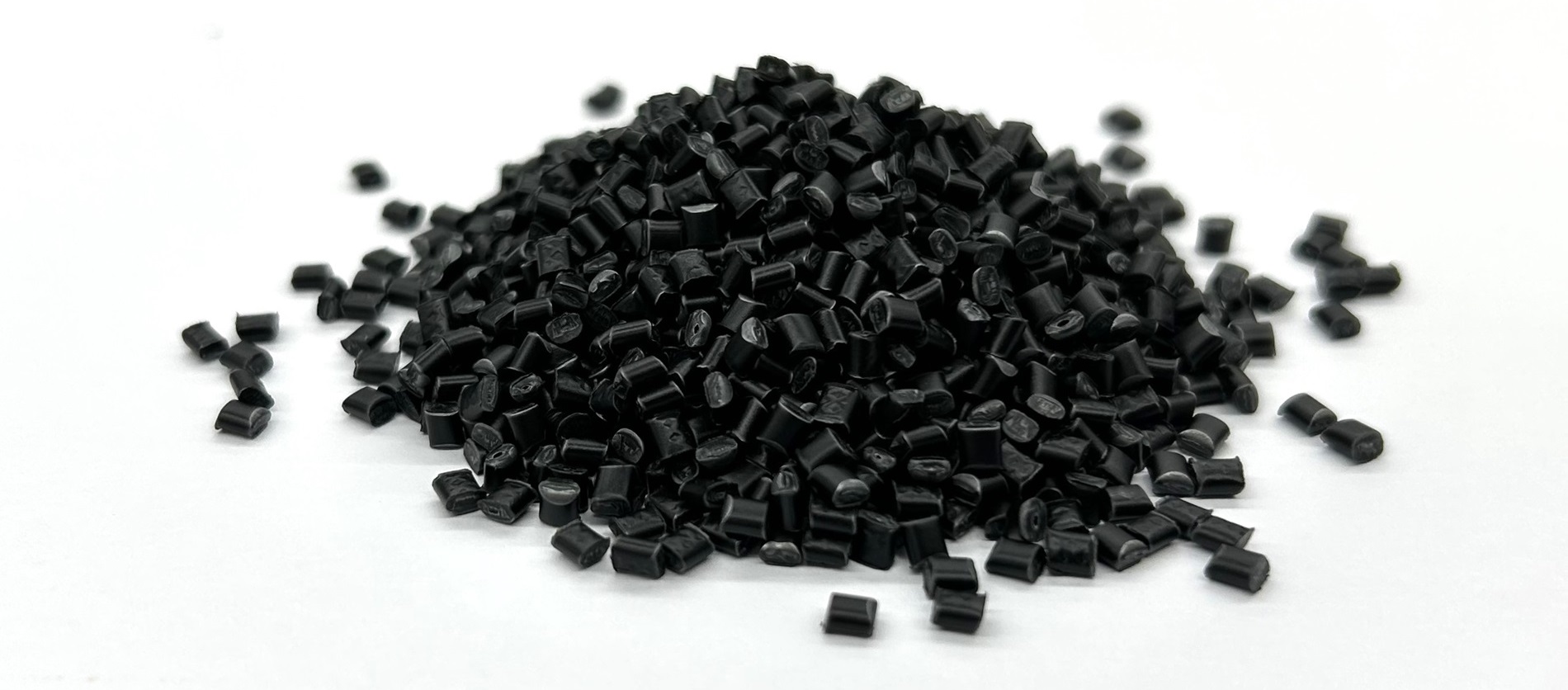
Nissha has developed and industrialized IMD and IML solutions that enable decorative molding using polypropylene (PP). This advancement enables the creation of monomaterial automotive interior parts, a significant step toward compliance with End-of-Life Vehicle (ELV) requirements and improved recyclability of plastic components.
In these processes, PP serves as the base resin, with decoration achieved either by transferring ink from a printed film (IMD) or by co-molding a printed PP film that remains on the surface (IML), resulting in a monomaterial structure that enhances recyclability. Conventional interior parts often relied on ABS or ABS/PC for their strength and surface appearance, and IMD/IML bases were typically made of these resins. However, PP has emerged as the preferred choice for the automotive industry. As the most widely used automotive plastic, PP offers lightweight design, excellent impact strength, heat resistance, lower CO₂ emissions, and a high level of recyclability. These attributes position PP as a superior material on both environmental and functional fronts, supporting automakers in meeting sustainability goals.
Nissha is also advancing the use of recycled resins, including Post-Consumer Recycled (PCR) materials and bio-composites. Traditionally, PCR has been difficult to apply in appearance-critical areas due to uneven surfaces and color variations caused by contaminants.
Through IMD/IML, designers can effectively overcome these challenges. The decorative layer ensures a consistent and attractive finish, regardless of the base material’s imperfections. This innovation enables automakers to achieve high-quality design while incorporating recycled materials, advancing resource circulation and lowering environmental impact.
Contact Nissha for Automotive Interior Design Inquiries
Automotive interior design is evolving rapidly, shaped by sustainability goals, advanced technologies, and rising consumer expectations. With the right partners, these challenges become opportunities to create interiors that define the future of mobility.
Nissha SurfaceWorks combines high-precision printing, advanced molding, and CMF expertise to help OEMs and Tier-1 suppliers realize beautiful, functional, and sustainable cabins. If you are planning a next-generation interior,contact Nissha today to explore how our IMD/IML and PP monomaterial solutions can bring your vision to production.