
Car Trim Design: Key Considerations, Challenges, and Emerging Technologies
As vehicle interiors play a growing role in brand differentiation and user experience, car trim design is becoming increasingly important. Designers must balance aesthetics, functionality, manufacturability, and sustainability while meeting evolving customer expectations.
This article explores the fundamentals of car trim design, key design challenges, and the technologies shaping the future of automotive interiors.
What Is Car Trim Design?
Car trim design refers to the design of interior and exterior components that shape a vehicle’s appearance, feel, and brand identity. These elements help differentiate vehicle models and trim levels while enhancing brand identiry and user experience.
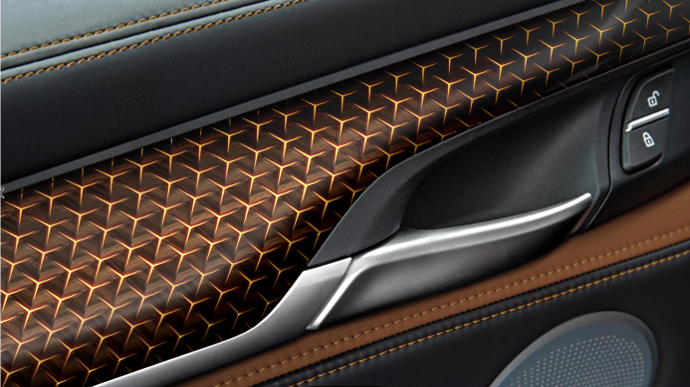
In automotive interiors, components such as instrument panels, door trims, and center consoles are designed using carefully selected materials, textures, colors, and surface finishes. Together, these elements create a cohesive look and feel that reflects the vehicle’s intended character.
Today, car trim design goes beyond aesthetics. Modern interiors increasingly incorporate displays, touch interfaces, and other functional features, requiring designers to carefully balance visual appeal, usability, and ergonomic comfort. By combining advanced materials with innovative decorative technologies, manufacturers can create interiors that deliver both premium quality and enhanced functionality.
Why Car Trim Design Is Gaining Attention
Car trim design is becoming increasingly important as vehicle technologies evolve and customer expectations change. Today, trim components play a key role in enhancing brand value, user experience, and vehicle differentiation.
The Rise of EVs and the Need for Interior Differentiation
As EV adoption grows, it is becoming more difficult for automakers to differentiate their products through powertrain performance alone. As a result, vehicle interiors have become an important area for creating unique brand experiences.
Materials, textures, and lighting are increasingly used to express the character of different brands, models, and trim levels.
The Shift from Transportation to Living Space
Vehicles are evolving from transportation tools into spaces where people can relax, work, and spend more time. This shift is increasing demand for interiors that prioritize comfort and overall user experience.
As a result, trim design now focuses not only on appearance but also on functional integration and tactile comfort.
Growing Demand for Sustainable Materials and Design
Sustainability is becoming a key consideration in automotive interior development as the industry faces increasing pressure to reduce environmental impact across the vehicle lifecycle. In addition to using recycled and lower-impact materials, manufacturers are also rethinking production methods in response to tightening environmental regulations, including end-of-life vehicle requirements.
For car trim design, this means materials and decorative technologies must support both sustainability and long-term performance. Interior components need to maintain durability, appearance quality, and tactile appeal while contributing to more environmentally conscious vehicle design.
Key Considerations and Challenges in Car Trim Design
Car trim design requires balancing multiple factors beyond appearance alone. Designers must consider premium quality, durability, functionality, manufacturability, and cost throughout the development process.
Achieving the right balance between these requirements is essential for creating successful automotive interiors.
Balancing Design and Manufacturability
Sophisticated designs and decorative finishes can enhance vehicle appeal, but they may also increase manufacturing complexity. To ensure consistent quality in mass production, trim components must be designed with material characteristics and production processes in mind.
Successful trim design requires balancing creative design with manufacturing feasibility.
Balancing Aesthetics and Functionality
Modern trim components increasingly integrate displays, touch controls, sensors, and other technologies. While these features improve the user experience, they can also create design constraints.
To achieve both visual appeal and usability, aesthetics and functionality must be considered together from the early stages of development.
Technologies Advancing Car Trim Design
Advances in decorative and material technologies are expanding the possibilities of car trim design. These technologies help manufacturers combine sophisticated styling with enhanced functionality, creating more seamless and engaging interior experiences.
Light-Transmission Technologies
Light-transmission technologies allow displays and symbols to remain hidden when not in use and become visible only when illuminated. This approach helps maintain clean, seamless interior surfaces while incorporating functional elements such as indicators, control panels, and display interfaces.
As a result, it is widely used in automotive interiors where both premium design and functionality are required.
Tactile Design and Haptic Experiences
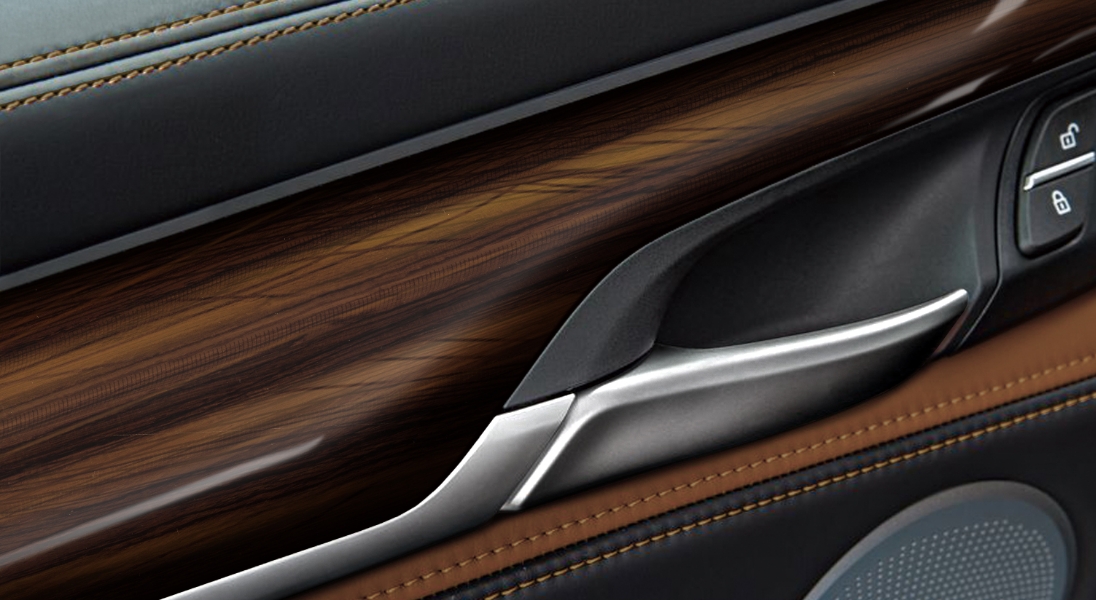
Tactile design focuses on creating distinctive surface textures and material finishes that enhance the user experience. By combining decorative films with advanced molding technologies, manufacturers can create complex patterns and three-dimensional effects that are difficult to achieve with conventional finishing methods.
The combination of visual and tactile elements helps create more engaging and premium interior environments.
Radio-Wave-Transparent Materials
As vehicles become increasingly connected, trim components must accommodate antennas, sensors, and wireless communication systems. Radio-wave-transparent materials enable radio signals to pass through interior surfaces without compromising design flexibility.
This capability supports connected vehicle technologies, advanced driver assistance systems (ADAS), and other communication-related functions.
Film Heater Technology
Film heater technology integrates heating functionality directly into decorative components. Thin and flexible heater layers can be incorporated into trim parts to provide functions such as temperature control and occupant comfort.
Because heating and decorative functions can be combined within a single component, film heaters help improve design flexibility while minimizing space requirements.
For Car Trim Design, Contact Nissha
Car trim design requires a careful balance of aesthetics, functionality, and manufacturability. As automotive interiors become more sophisticated, designers must address a growing range of requirements, including tactile experiences, integrated displays, and radio-wave transparency.
To successfully overcome these challenges, it is important to consider materials, design, and production requirements as a unified solution from the early stages of development.
Nissha supports customers throughout the entire development process, from concept creation to mass production. Our dedicated team works closely with customers to identify the most suitable materials, decorative technologies, and manufacturing approaches for each application. During the concept phase, customers can also explore design possibilities through sample developments that showcase various decorative finishes, textures, and functional integrations.
If you are looking to expand the possibilities of your next car trim design project, contact Nissha to learn more about our solutions.