
Film Insert Molding: Process, Benefits, Applications, and Latest Technologies
Film Insert Molding is a manufacturing process that integrates decorative or functional films into plastic parts during injection molding. By combining decoration and molding in a single step, FIM can improve design flexibility, reduce secondary operations, and enhance surface durability.
This article explains the Film Insert Molding process, its key benefits and limitations, common applications, and emerging technologies.
What is Film Insert Molding?
Film Insert Molding is a manufacturing process that integrates decorative or functional films into plastic parts during injection molding. A film is placed inside the mold before resin injection, allowing the surface design and functionality to become part of the finished component.
Compared with conventional finishing methods such as painting or plating, Film Insert Molding combines decoration and molding in a single process. Decorative films with protective layers can improve scratch and wear resistance while reducing secondary operations and component count.
As a result, FIM is widely used in industries such as automotive, home appliances, and consumer electronics.
Film Insert Molding Process
Film Insert Molding consists of four key stages: film printing, preforming, trimming, and injection molding. Each stage contributes to the appearance, functionality, and overall quality of the finished component.
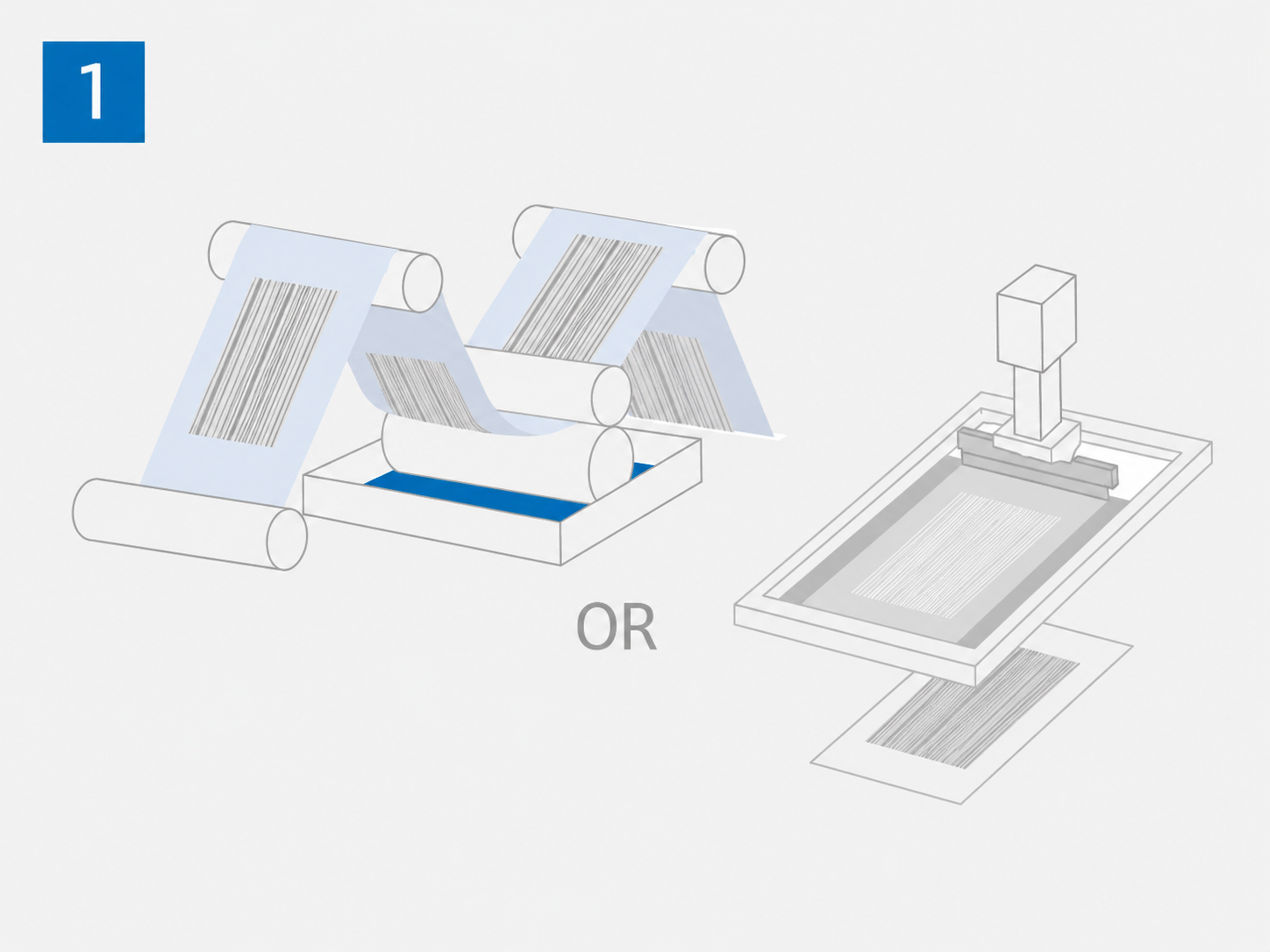
Film Printing
The process begins with printing decorative patterns or functional elements onto a plastic film. Depending on the design requirements, gravure printing, screen printing, and vacuum metallization may be used to create a wide range of visual effects and surface finishes.
Beyond aesthetics, the printed film must be engineered to withstand the thermal and mechanical stresses of subsequent manufacturing steps. Ink systems, coatings, and film materials are therefore selected with both appearance and processability in mind.
Preforming
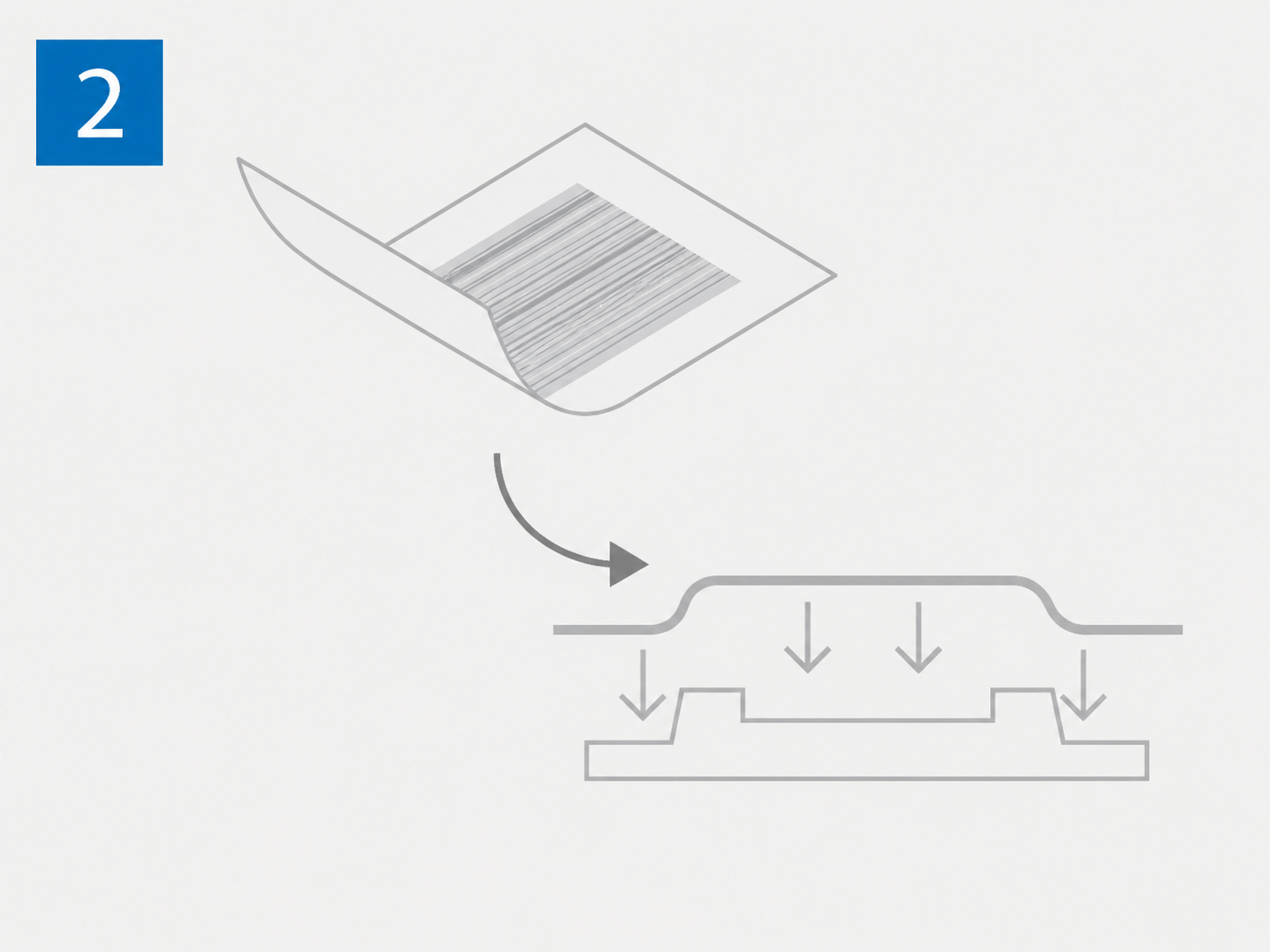
Before molding, the printed film is shaped into a three-dimensional form that closely matches the geometry of the final part. This is typically achieved through thermoforming processes that use heat and vacuum or pressure to form the film.
Because the film is stretched during this stage, controlling deformation is critical. Careful optimization of material properties and forming conditions helps minimize wrinkles, uneven stretching, and visual defects such as color variation or ink cracking, particularly on complex curved surfaces.
Trimming
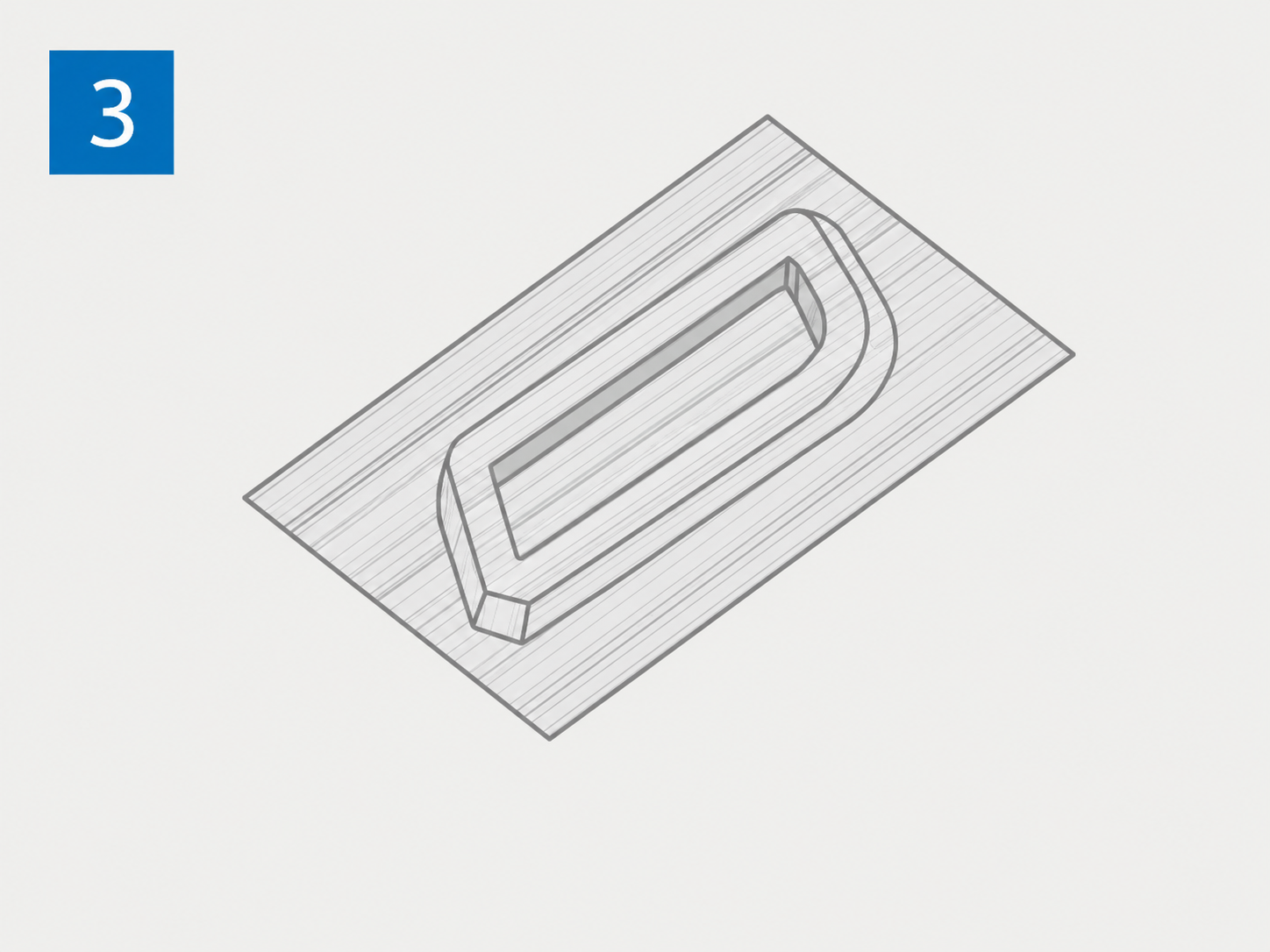
After preforming, the film is trimmed to its final shape. This step removes excess material and ensures that the film can be accurately positioned inside the injection mold.
Trimming may be performed using die cutting or laser processing, depending on the design and production requirements. Maintaining tight dimensional tolerances is important, as trimming accuracy directly affects film alignment, edge quality, and overall part consistency.
Injection Molding
In the final stage, the trimmed film is placed inside the mold and backed with molten resin through injection molding. As the resin fills the cavity, it bonds with the film to create a single integrated component.
Achieving consistent results requires careful control of molding parameters such as melt temperature, injection pressure, and resin flow behavior. Mold and gate design also play an important role in promoting uniform filling and strong film adhesion. This stage ultimately determines both the appearance and functional performance of the finished part.
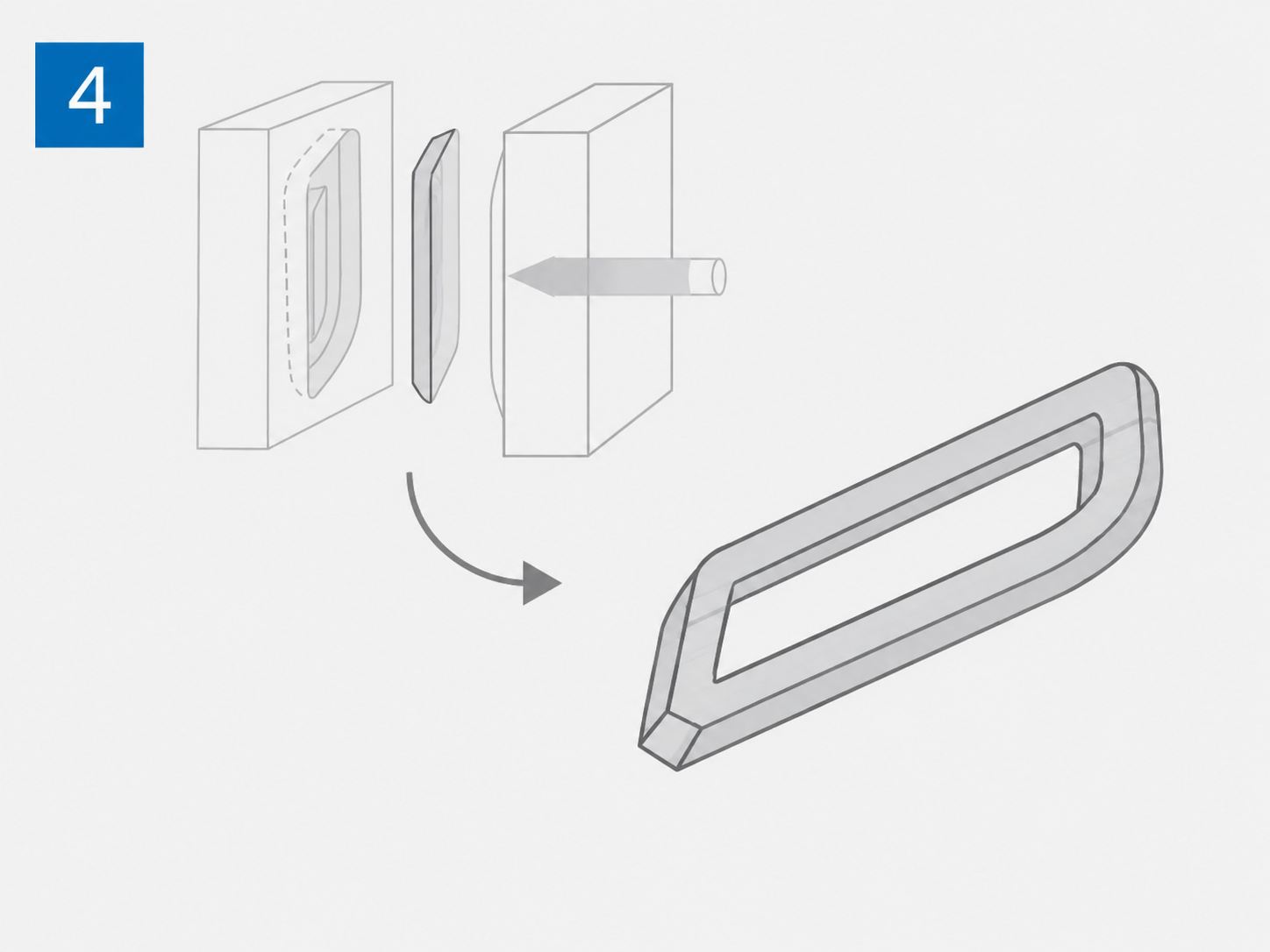
Benefits of Film Insert Molding
Film Insert Molding combines decoration and molding in a single process, offering advantages in design, manufacturing efficiency, durability, and sustainability.
Design Flexibility
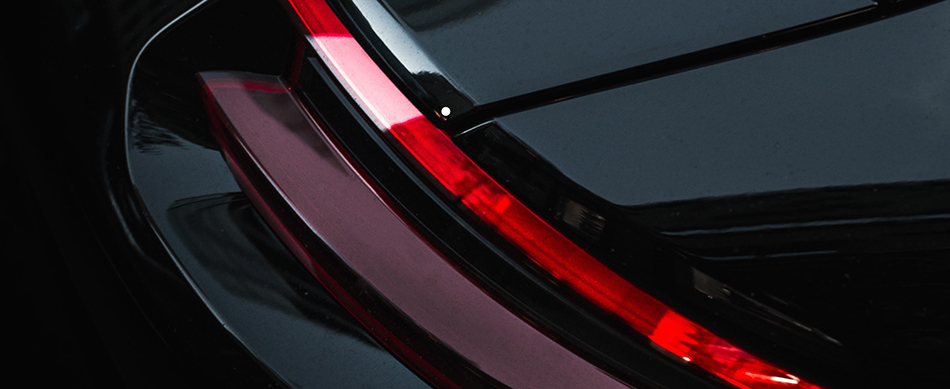
Film Insert Molding enables detailed graphics, multi-color designs, metallic finishes, woodgrain patterns, and other complex surface effects. The multilayer structure of decorative films can also create depth and transparency effects, allowing designers to achieve premium appearances that are difficult to replicate with conventional finishing methods.
Reduced Process Steps
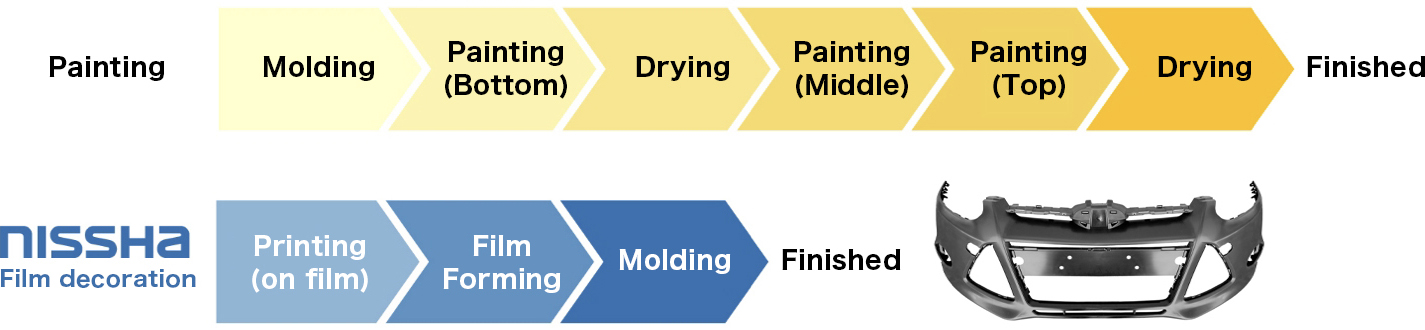
Because decoration is integrated into the molding process, secondary operations such as painting, plating, and label application can often be reduced or eliminated. This simplifies production, improves efficiency, and helps reduce quality variation between manufacturing steps.
Improved Surface Durability
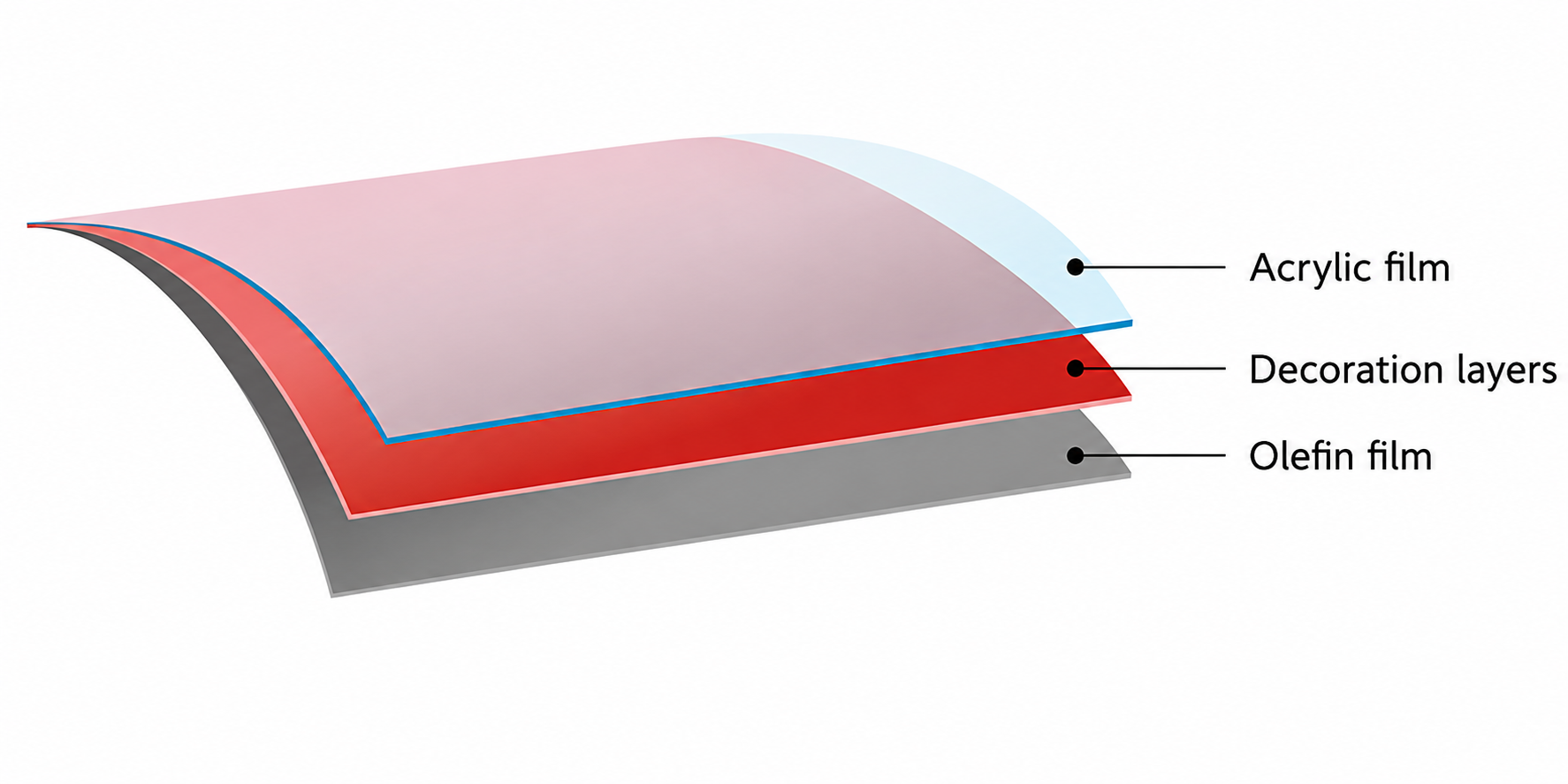
Protective film layers help resist scratches, abrasion, and everyday wear. Materials can also be selected for chemical resistance, UV resistance, and other performance requirements, allowing products to maintain their appearance in demanding environments.
Lower Environmental Impact
Compared with conventional finishing methods such as painting, Film Insert Molding can help reduce environmental impact by integrating decoration into the molding process. Painting often involves drying and curing processes that consume energy and may generate exhaust emissions, overspray, and liquid waste.
By reducing or eliminating these secondary processes, Film Insert Molding can contribute to cleaner production, lower energy use, and less manufacturing waste.
Limitations of Film Insert Molding
While Film Insert Molding offers many advantages, tooling and part geometry must be carefully considered during product development.
Mold Design Complexity
Film Insert Molding requires more sophisticated mold design than conventional injection molding because the film must be accurately positioned and bonded during the molding process. Factors such as gate location, resin flow, and cooling design can significantly affect appearance quality and process stability.
Achieving consistent results often depends on both engineering expertise and process know-how, particularly for high-volume production.
Geometry-Related Limitations
Part geometry can influence the feasibility of Film Insert Molding. Deep contours and highly three-dimensional shapes may cause excessive film stretching during preforming, leading to distortion, thinning, or visual defects.
Complex geometries can also make forming more difficult and less repeatable. As a result, manufacturability should be considered early in the design stage, and certain geometric features may need to be optimized for stable production.
Applications of Film Insert Molding
Film Insert Molding is particularly effective for products that require a combination of visual appeal, durability, and advanced surface design. Its ability to integrate decoration and functionality into a single component makes it suitable for a wide range of applications.
Products with High Aesthetic Requirements
Film Insert Molding is well suited for products where appearance plays a critical role in product value. Decorative films can reproduce intricate patterns, multi-color graphics, and metallic finishes with a high degree of consistency, helping manufacturers create premium-looking products at scale.
Products Requiring Durable Surfaces
Products that are frequently touched or exposed to wear benefit from the protective structure of decorative films. The outer protective layer helps resist scratches and abrasion, making the technology suitable for interfaces, controls, and other high-use surfaces.
Products with Sophisticated Surface Textures
Film Insert Molding can deliver more than visual decoration. Matte finishes, gloss effects, and textured surfaces can be incorporated directly into the part, allowing designers to create distinctive tactile experiences and visual depth that are difficult to achieve through conventional coating processes.
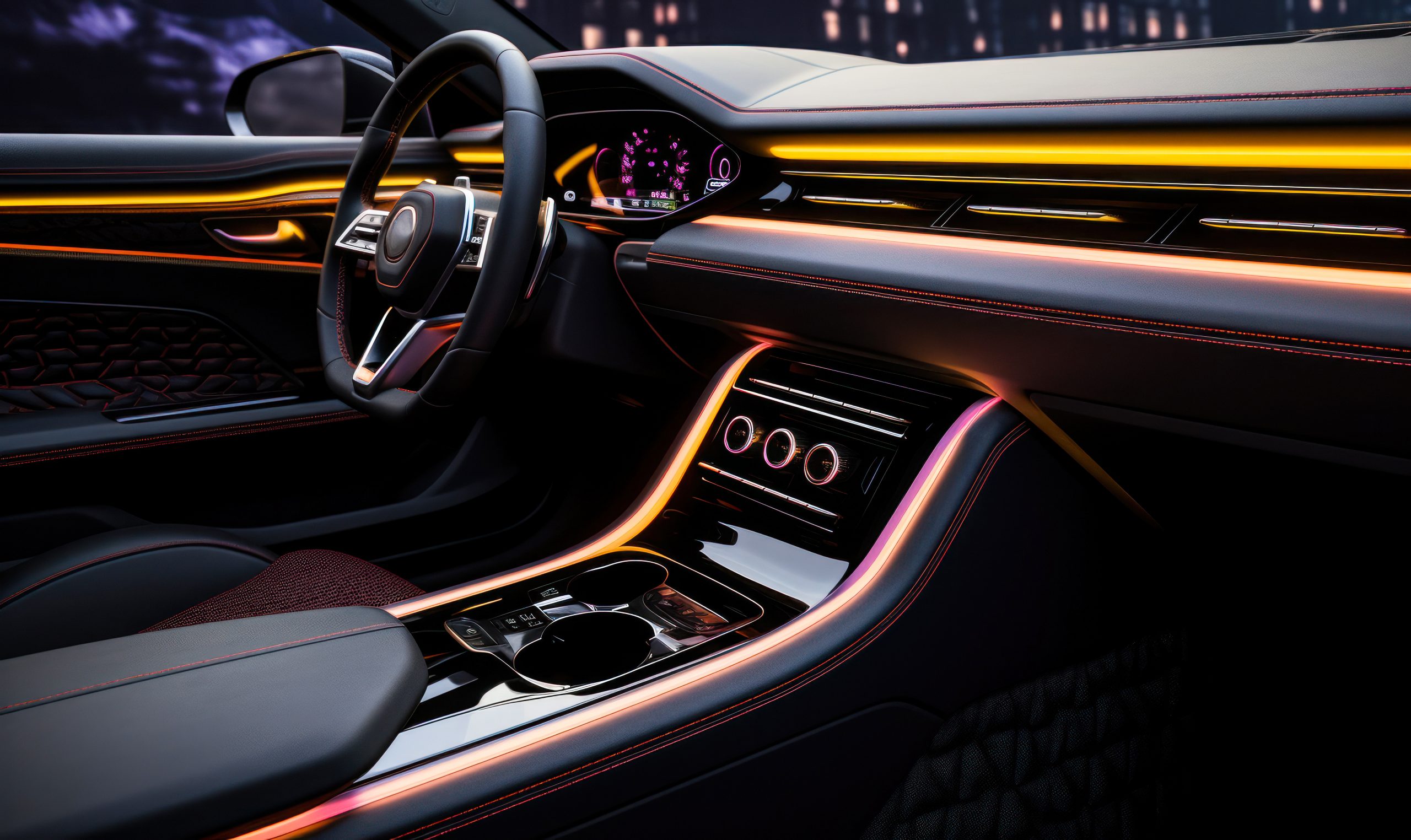
These capabilities have led to widespread adoption in applications such as automotive interior trim, functional exterior components, consumer electronics, and premium home appliances.
Advanced Film Insert Molding Technologies
Film Insert Molding continues to evolve beyond decorative applications. Recent developments focus on combining aesthetics and functionality within a single component, enabling cleaner product designs and enhanced user experiences.
Light Transmission Technology
Light transmission technology enables graphics, icons, and symbols to remain invisible under normal conditions and become visible only when illuminated from behind. This effect is achieved through specialized printing techniques and multilayer film structures that selectively control light transmission.
Because the surface appears uniform when the backlight is off, the technology supports clean, premium product designs while preserving functionality when needed.
Tactile Design
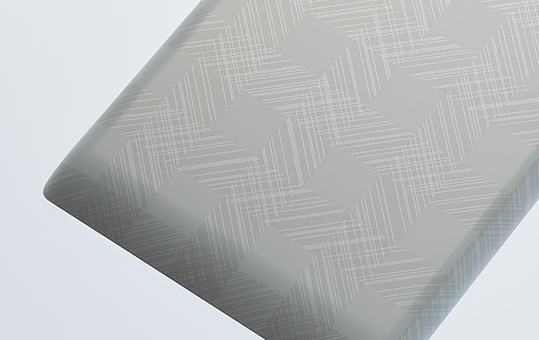
Tactile design extends product differentiation beyond visual appearance by incorporating specific surface sensations into the user experience. Through film surface engineering and optimized molding processes, designers can create a variety of textures, ranging from smooth and soft-touch finishes to patterned and textured surfaces.
This capability allows designers to enhance both perceived quality and usability without adding additional components.
Film Heater Technology
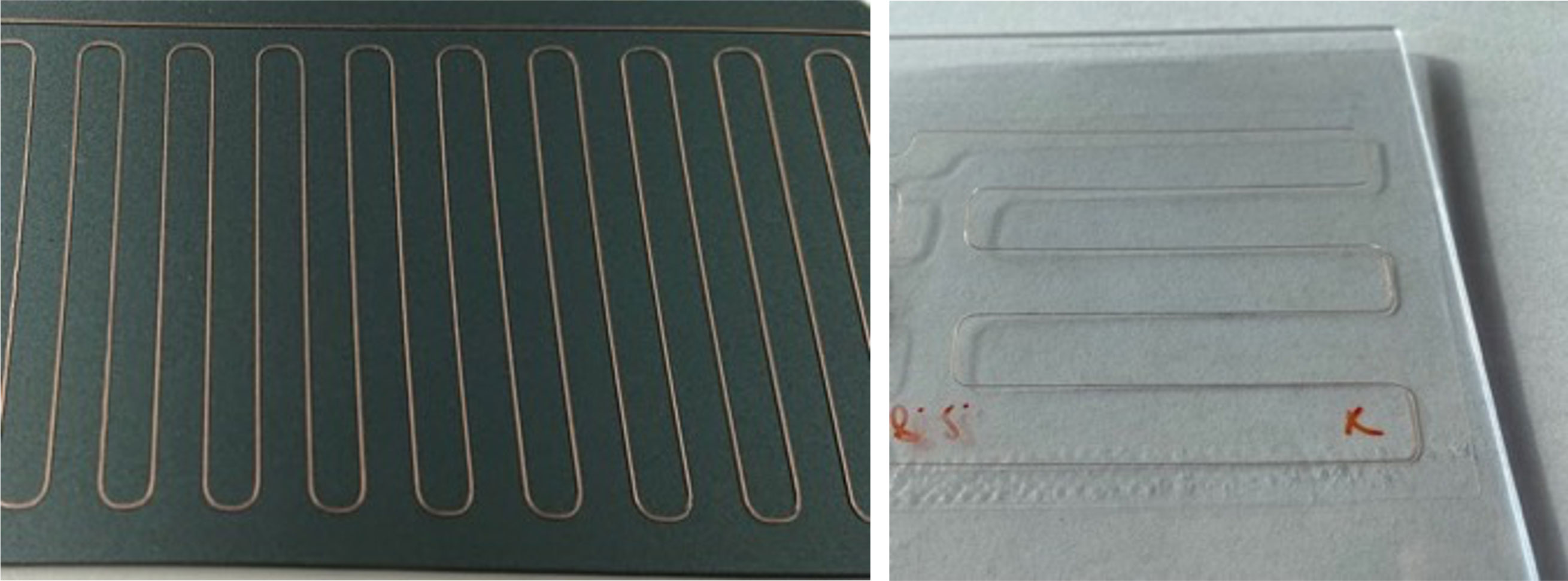
Film Heater Technology is an example of how Film Insert Molding can integrate functional elements directly into plastic components. By incorporating conductive patterns into the film and embedding it during the molding process, heating functionality can be seamlessly integrated into the final part.
This makes it possible to add localized heating, temperature management, or user comfort features while reducing part count and simplifying product assembly. The technology is suitable for applications that require heating functionality within a compact, integrated design.
Design Solutions with Film Insert Molding—Nissha
Film Insert Molding enables manufacturers to combine aesthetics and functionality within a single component, opening new possibilities for product design. By leveraging advanced printing technologies and specialized molding expertise, the process can deliver visual effects, surface finishes, and integrated functions that are difficult to achieve with conventional manufacturing methods.
At Nissha, a dedicated team supports customers throughout the entire development process—from concept creation and design engineering to prototyping and mass production. This collaborative approach helps ensure that each solution meets both design objectives and manufacturing requirements.
Nissha also offers a wide range of design samples that showcase the capabilities of Film Insert Molding, allowing customers to evaluate materials, finishes, textures, and functional features firsthand during the development process.
If you are exploring ways to combine design and functionality, enhance product differentiation, or reduce environmental impact by replacing conventional processes, Nissha can help bring your ideas to life.
If you are looking to expand the possibilities of your next car trim design project, contact Nissha to learn more about our solutions.