Plastic texturing plays a crucial role in modern product design, shaping not only how a product looks but also how it feels and performs. From enhancing visual aesthetics to improving grip and usability, texture is a key element in CMF (Color, Material, Finish) design.
This article explores the fundamentals of plastic texturing, including its role in CMF, common texture types, selection strategies, manufacturing methods, and design challenges designers should consider.
What Is Plastic Texturing in Product Design?
Plastic texturing in product design refers to the process of adding surface patterns or finishes to plastic components to enhance their visual appearance, tactile qualities, or functional performance. While smooth and uniform surfaces can be appropriate for certain design intents, textures are often used when designers want to create additional depth, character, usability, or sensory appeal.
Surface textures play a critical role in how a product looks, feels, and performs. They influence not only aesthetics but also usability, durability, and user perception, making them a key element in product design.
Definition of Surface Texturing
Surface texturing is the intentional modification of a material’s surface to create specific visual or tactile effects. In plastic products, this is typically achieved through patterns, microstructures, or finishes applied during or after manufacturing.
These textures can range from subtle matte finishes to highly detailed patterns, depending on the desired design outcome.
How Texture Influences Visual and Tactile Perception
Texture has a strong impact on how users perceive a product both visually and physically. Visually, it can affect light reflection, color depth, and overall product quality. Tactilely, it influences how a product feels in the hand, including smoothness, warmth, and grip.
By carefully designing surface textures, designers can guide user perception, enhance usability, and create more engaging product experiences.
The Role of Texture in CMF Design
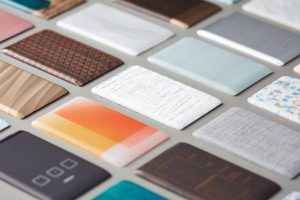
In CMF (Color, Material, Finish) design, texture plays a critical role in defining how a product is perceived and experienced. While color attracts attention and material defines structure, texture brings depth, character, and a sensory dimension to the design.
By carefully selecting and designing surface textures, designers can elevate product value, enhance usability, and create a more distinctive and memorable user experience.
Enhancing Product Aesthetics
Texture significantly enhances the visual appeal of a product by influencing how light interacts with the surface. Matte textures can reduce reflections and create a refined look, while gloss finishes can emphasize depth and highlight form.
Through texture, designers can control visual perception, making products appear more premium, precise, or approachable depending on the design intent.
Creating Tactile Experience and Grip
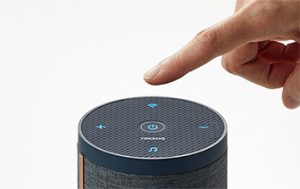
Beyond visual impact, texture plays a key role in how a product feels in use. Surface patterns can enhance grip, reduce slippage, and improve comfort during handling.
This is particularly important for products that are frequently touched, where tactile feedback directly influences usability and overall user satisfaction.

Expressing Brand Identity
Texture can also serve as a powerful tool for expressing brand identity. Unique surface finishes or signature textures can differentiate products and create a consistent brand experience across a product line.
By aligning texture with brand values—such as premium, minimal, or rugged—designers can communicate identity not only visually, but also through touch.
Types of Plastic Textures in Design
Plastic textures in product design can be categorized based on their visual appearance, tactile qualities, and functional purpose.
By understanding different texture types, designers can select the most suitable surface treatment to achieve both aesthetic and performance goals.
Matte and Gloss Finishes
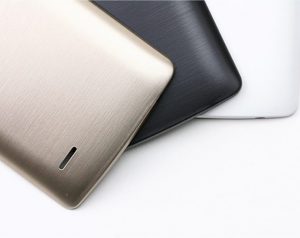
Matte and gloss finishes are among the most fundamental texture types in product design. Matte surfaces reduce light reflection, creating a soft, refined, and premium appearance. They are also effective in minimizing fingerprints and visual noise.
Gloss finishes, on the other hand, reflect light more strongly, enhancing color depth and highlighting the form of the product. They are often used to create a sleek, modern, and high-impact visual impression.
Grain Textures (Leather, Sand, Hairline)
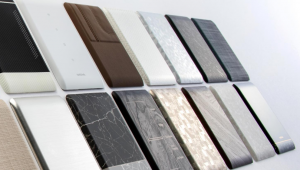
Grain textures are surface patterns that evoke materials such as leather, sand, or brushed metal. They add visual depth and tactile character to plastic components, helping create a more refined, natural, or premium impression.
Leather-like grains can provide a soft, high-quality feel, while sand textures offer a subtle matte appearance. Hairline textures give plastic surfaces a sleek, precise look inspired by linear metal finishes.
Functional Textures (Anti-slip, Anti-fingerprint)
Functional textures are designed to improve usability and performance rather than pure aesthetics. Anti-slip textures enhance grip and safety, especially for handheld or frequently used products.
Anti-fingerprint surfaces reduce visible smudges and maintain a clean appearance, even with frequent handling. These textures are increasingly important in product design, where user experience and maintenance are key considerations.
How to Choose the Right Plastic Texture
Selecting the right plastic texture is a key step in product design, as it directly impacts both appearance and user experience.
Designers must consider not only visual appeal, but also how the product will be used and perceived in real-world conditions.
Matching Texture with Product Category
Different product categories require different texture strategies. For example, home appliances often benefit from matte or anti-fingerprint finishes to maintain a clean appearance, while automotive interiors may use refined grain textures to convey a premium feel.
Understanding the expectations and usage patterns of each category helps designers select textures that align with both function and user perception.
Balancing Aesthetics and Usability
A visually appealing texture does not always guarantee good user experience. For instance, highly glossy surfaces may look attractive but can be prone to fingerprints or glare, while overly rough textures may compromise comfort.
Designers need to strike a balance between aesthetics and usability, ensuring that the chosen texture enhances both visual appeal and practical performance.
Considering Lighting and Environment
Lighting conditions and usage environments significantly affect how textures are perceived. A surface that looks subtle under soft lighting may appear harsh or uneven under strong illumination.
Designers should evaluate textures under different lighting conditions and consider factors such as reflections, shadows, and visibility to ensure consistent visual quality across environments.
Types of Plastic Texturing Methods
Plastic textures can be created through various manufacturing methods, each with different characteristics in terms of design flexibility, durability, and cost.
Understanding these methods helps designers choose the most appropriate approach based on the desired appearance and product requirements.
Mold Texturing
Mold texturing involves engraving or etching patterns directly onto the mold surface. During injection molding, the texture is transferred onto the plastic part, creating a consistent and durable surface finish.
This method is widely used for grain textures and matte finishes, as it ensures high repeatability and long-term integrity without requiring additional processing steps.
Decorative Film Texturing
Decorative Film Texturing, such as In-Mold Decoration (IMD), creates textures by transferring or integrating a pre-designed film into the molded part during the injection process. This allows for more complex and detailed surface expressions, including graphics, patterns, and functional layers.
Decorative Film Texturing offers high design flexibility and enables the combination of visual, tactile, and functional elements in a single component.
Surface Texturing
Surface texturing refers to applying textures to the finished component after the molding process through methods such as coating, printing, or laser processing. This approach allows for flexible design changes and customization.
However, compared to mold-based methods, surface-applied textures may have lower integrity and can be more susceptible to wear over time.
Common Challenges in Plastic Texture Design
While plastic texturing offers a wide range of design possibilities, achieving the intended result is not always straightforward.
Designers often face challenges in translating their creative vision into a consistent and manufacturable surface.
Mismatch between design intent and final product
One of the most common challenges is the gap between the intended design and the final product. Textures that look subtle and refined in digital renderings may appear different once molded, due to material behavior and manufacturing constraints.
Close collaboration between designers and engineers is essential to ensure that the design intent is accurately translated into the final product.
Poor surface consistency
Maintaining consistent texture quality across a product surface can be difficult, especially for large or complex components. Variations in molding conditions or material flow can lead to uneven patterns or inconsistent finishes.
Careful process control and design validation are required to achieve uniform surface quality.
Visibility under different lighting
Texture appearance can change significantly under different lighting conditions. A surface that looks smooth and subtle in one environment may appear rough or uneven in another.
Designers need to evaluate textures under various lighting scenarios to ensure consistent visual quality across real-world usage conditions.
Plastic Texturing Solutions by Nissha
To achieve high-quality plastic textures, early collaboration between design and manufacturing is essential. Nissha supports this process from concept development to mass production.
By integrating design, engineering, and manufacturing expertise, Nissha drives to translate design intent into consistent, manufacturable surfaces. Designers can explore textures with confidence, knowing that feasibility and quality are considered from the beginning.
Nissha also provides a wide range of texture samples, enabling teams to evaluate visual appearance and tactile feel in real conditions. This hands-on approach accelerates decision-making and reduces the risk of mismatch between design and final products.
If you are looking to create innovative product designs with advanced plastic texturing, feel free to contact us.